The Hidden Danger of Kitchen Extension Leads
The kitchen is a hub of activity, with various appliances and gadgets vying for space and power. For homeowners who find themselves struggling to keep up with the demands of modern kitchen appliances, extension leads may seem like a convenient solution. However, experts warn that relying on these temporary fixes can pose significant fire risks.
- Over 20,000 electrical fires occur in UK homes each year, with the majority caused by faulty wiring, overloaded circuits, or inadequate safety measures.
- Extension leads are often used in the kitchen to power multiple appliances, but they are not designed to handle the combined wattage of these devices.
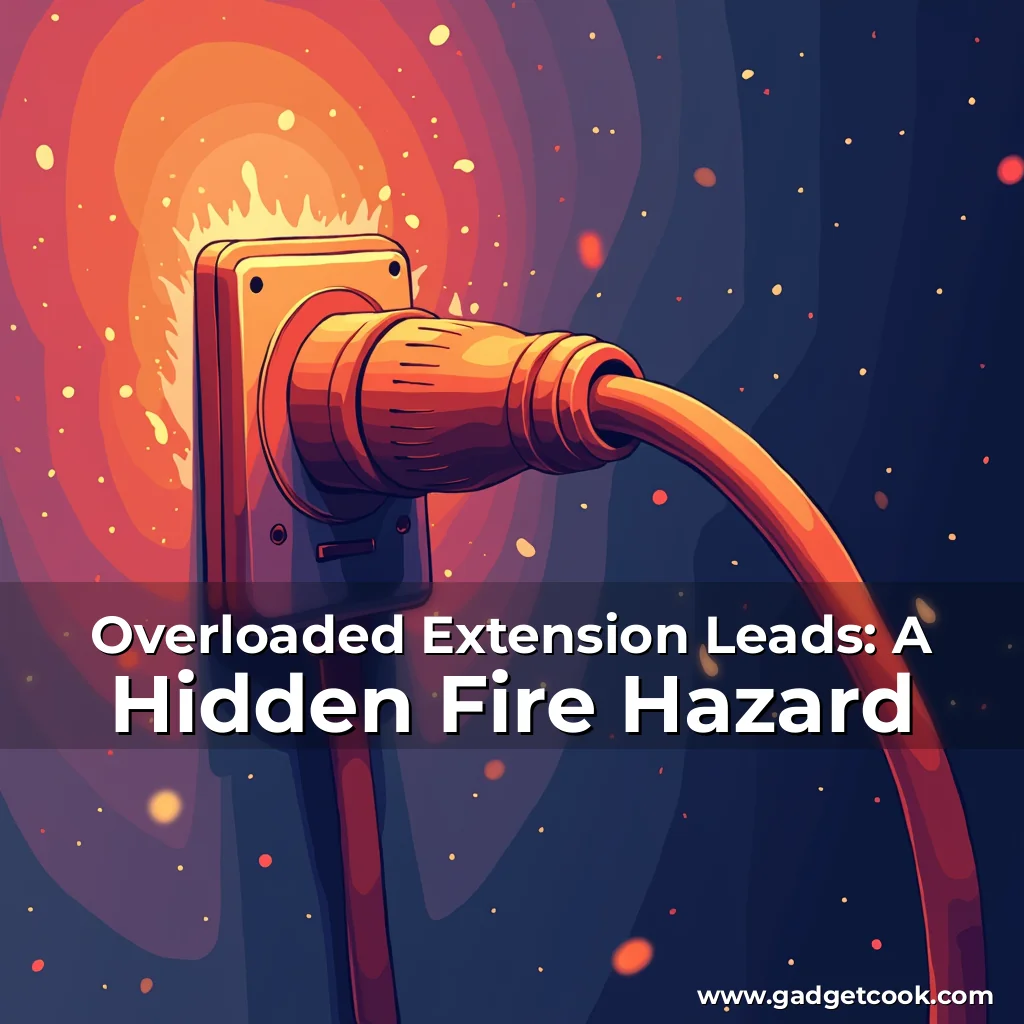
- Overloaded extension leads can lead to heat build-up, appliance damage, and even fire.
The Risks of Overloaded Extension Leads
According to fire safety specialists, overloaded extension leads can pose significant risks to kitchen safety. When too many appliances are plugged into a single lead, it can lead to:
- Heat build-up: Overloaded extension leads can cause the cord to overheat, leading to a fire hazard.
- Appliance damage: The excessive power draw can also cause damage to the appliances themselves.
- Electrical fires: In the worst-case scenario, an electrical fire can occur, putting people’s lives at risk.
Stable Voltage and Appliance Performance
Extension leads can also cause drops in voltage, leading to unstable power flow. This can affect the performance and lifespan of appliances, particularly those with sensitive electronics.
- Coffee machines and digital air fryers rely on a steady current to function properly.
- When the power flow is disrupted by overloaded extension leads, it can cause system faults, premature wear, or complete failure.
Safer Alternatives
Rather than relying on extension leads, fire safety experts recommend exploring alternative solutions that prioritize safety and efficiency.
- Install additional outlets: Speak to a qualified electrician to install additional outlets in areas where needed.
- Use BS-certified extension leads: Ensure any extension lead used is BS-certified to minimize fire risks.
Fire Safety Do’s and Don’ts for the Kitchen
Crusader Fire recommends the following best practices for kitchen electrical safety:
- Use appliances with clear wattage ratings and check them before plugging multiple items in.
- Ensure any extension lead used is BS-certified.
- Unplug devices when not in use to avoid passive power draw.
- Do not daisy-chain extension leads.
- Do not use extension leads for permanent kitchen setups.
- Do not run leads behind appliances or under rugs where heat can build up.
- Do not ignore signs of wear and tear, frayed cords, and scorch marks.
The Bottom Line
With the rise of high-powered kitchen appliances, it’s essential to prioritize electrical safety. While extension leads may offer short-term convenience, they pose long-term risks in the kitchen. By exploring alternative solutions and following best practices, homeowners can prevent devastating fires and ensure a safer kitchen environment.
“We’re not just talking about fire safety; we’re talking about the safety of your family, your home, and your appliances. Convenience should never come at the cost of safety,” says Jonny, fire safety specialist at Crusader Fire.
news is a contributor at GadgetCook.com. We are committed to providing well-researched, accurate, and valuable content to our readers.
You May Also Like