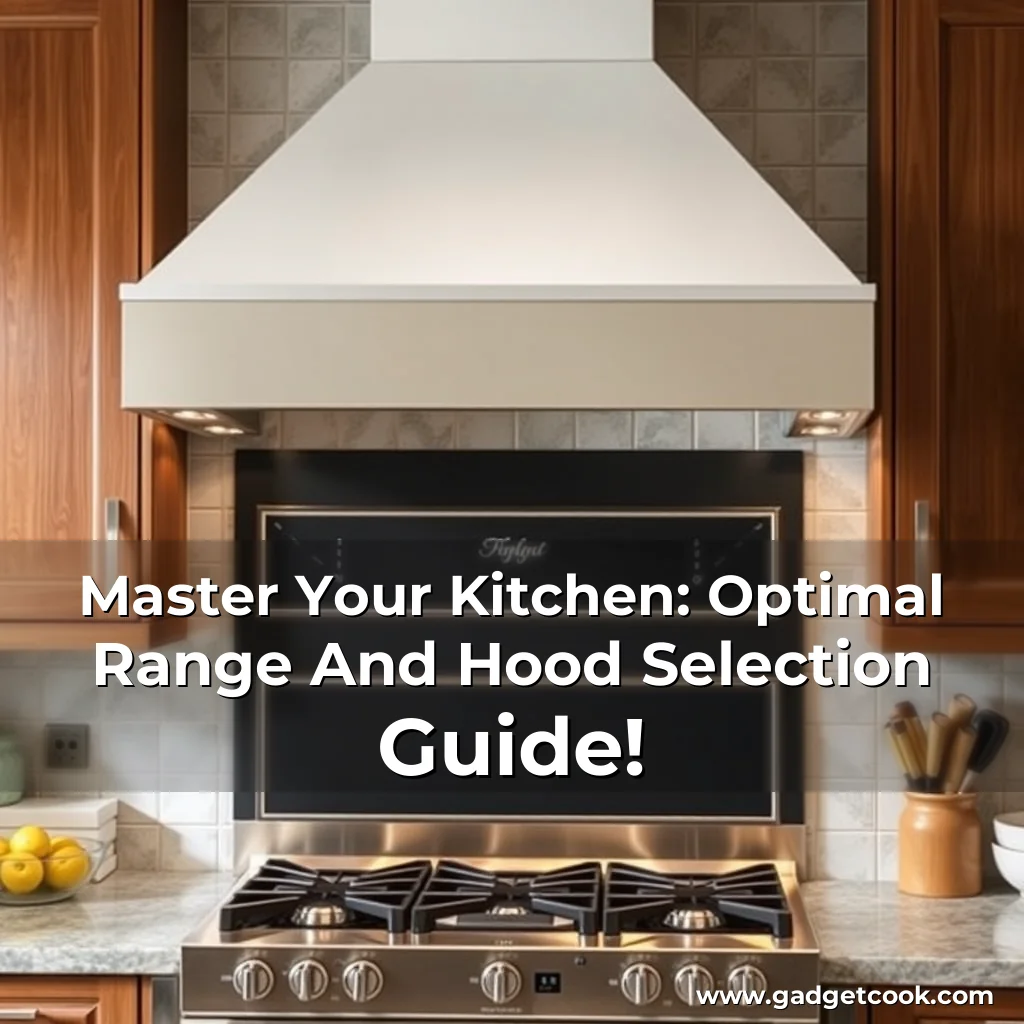
Here are some key points to consider when selecting your cooking setup:
Key Considerations
Appliance Quality: Look for high-quality appliances that are durable and long-lasting. Consider the brand reputation, customer reviews, and warranty offered.
Appliance Compatibility: Ensure that the appliances you choose are compatible with each other. Check the dimensions, power requirements, and connectivity options.
Appliance Energy Efficiency: Opt for energy-efficient appliances that reduce your energy consumption and save you money on utility bills.
Appliance Maintenance: Consider the maintenance requirements of the appliances you choose. Look for appliances with easy-to-clean surfaces and minimal parts to reduce the risk of breakdowns.Budgeting for Your Cooking Setup
Set a Budget: Determine how much you are willing to spend on your cooking setup. Consider your budget, cooking style, and the appliances you need.
Prioritize: Prioritize the appliances you need based on your cooking style and budget. Consider investing in essential appliances first and then adding secondary appliances later.
Shop Around: Research and compare prices from different retailers to find the best deals. Consider shopping during sales or using coupons to save money.Choosing the Right Appliances
Stovetop: Choose a stovetop that suits your cooking style. Consider gas, electric, or induction stovetops, and look for features like multiple burners, adjustable heat controls, and a large cooking surface.
Oven: Select an oven that meets your cooking needs.
This flexibility allows you to tailor your range to your specific needs and preferences.
Choosing the Right Burners
When it comes to choosing the right burners for your range, there are several factors to consider. *Gas burners are ideal for those who want precise control over their cooking temperature.• *Electric burners, on the other hand, are better suited for those who want a more convenient and easy-to-use cooking experience.• *Some ranges also offer a combination of both gas and electric burners, providing the best of both worlds.
Oven Options
When it comes to ovens, there are several options to choose from. *Convection ovens use a fan to circulate hot air, resulting in faster and more even cooking.• *Conventional ovens use radiant heat to cook food, and are often preferred by those who want a more traditional cooking experience.• *Some ranges also offer a combination of both convection and conventional ovens, providing the ultimate in cooking flexibility.
Additional Features
In addition to the number of burners and oven options, there are several other features to consider when choosing a range. *A warming drawer is perfect for keeping cooked food warm for hours.•
The Benefits of Convection-Steam Oven
Convection-steam ovens offer a unique combination of cooking methods that provide unparalleled results.
Here are a few examples:
A 30-inch range with a built-in wine fridge and a 6-burner cooktop
A 30-inch range with a built-in grill and a 4-burner cooktop
A 30-inch range with a built-in microwave and a 3-burner cooktop
These are just a few examples of the many cool features you can find in a 30-inch range. You can also customize your range to fit your personal style and preferences.
Size and layout: Consider the space where the range will be installed. Make sure it fits comfortably and allows for easy access to the burners and controls.
Cooking style: Think about how you cook. Do you prefer to cook large meals or small dishes? Do you like to cook at high heat or low heat?
Features: Consider the features that are important to you. Do you want a range with a built-in oven, microwave, or grill?
Budget: Set a budget and stick to it. 30-inch ranges can range from a few hundred to several thousand dollars.Key Features to Look For
When shopping for a 30-inch range, there are several key features to look for.
This can be especially useful for smaller kitchens where space is limited.
Maximizing Vertical Space
Wall ovens are a popular choice for homeowners who want to maximize their kitchen’s vertical space. By installing a wall oven, you can create a more open and airy feel in your kitchen, making it feel larger than it actually is.
For a 36-inch range, that would be 300 CFM for a 36-inch wide range.
Size and Capacity: The size of the range hood should match the size of your cooktop. A larger range hood may be necessary for a bigger cooktop, but it may also be more expensive.
Noise Level: Some range hoods can be quite loud, so it’s essential to consider the noise level when making your selection. Look for range hoods with a low decibel rating or those that have a silent operation feature.
Style and Design: The style and design of the range hood can greatly impact the overall look of your kitchen. Consider the color, material, and shape of the range hood when making your selection.
Features and Functions: Some range hoods come with additional features such as lights, timers, and remote controls.
A wall mount hood is installed directly into the range hood opening. A peninsula hood is installed on a peninsula, and a undermount hood is installed under the range hood opening. Range hood options can be customized to fit your kitchen style and preferences. You can choose from a variety of materials, such as stainless steel, glass, or wood, to match your kitchen decor.