The Battle for Flavor
When it comes to cooking, a little bit of salt can make all the difference. A dash of MSG can add a savory flavor that’s hard to ignore. But what happens when one partner tries to dictate how the meal is seasoned, leaving the other feeling like they’re in the wrong? The Origins of the Conflict
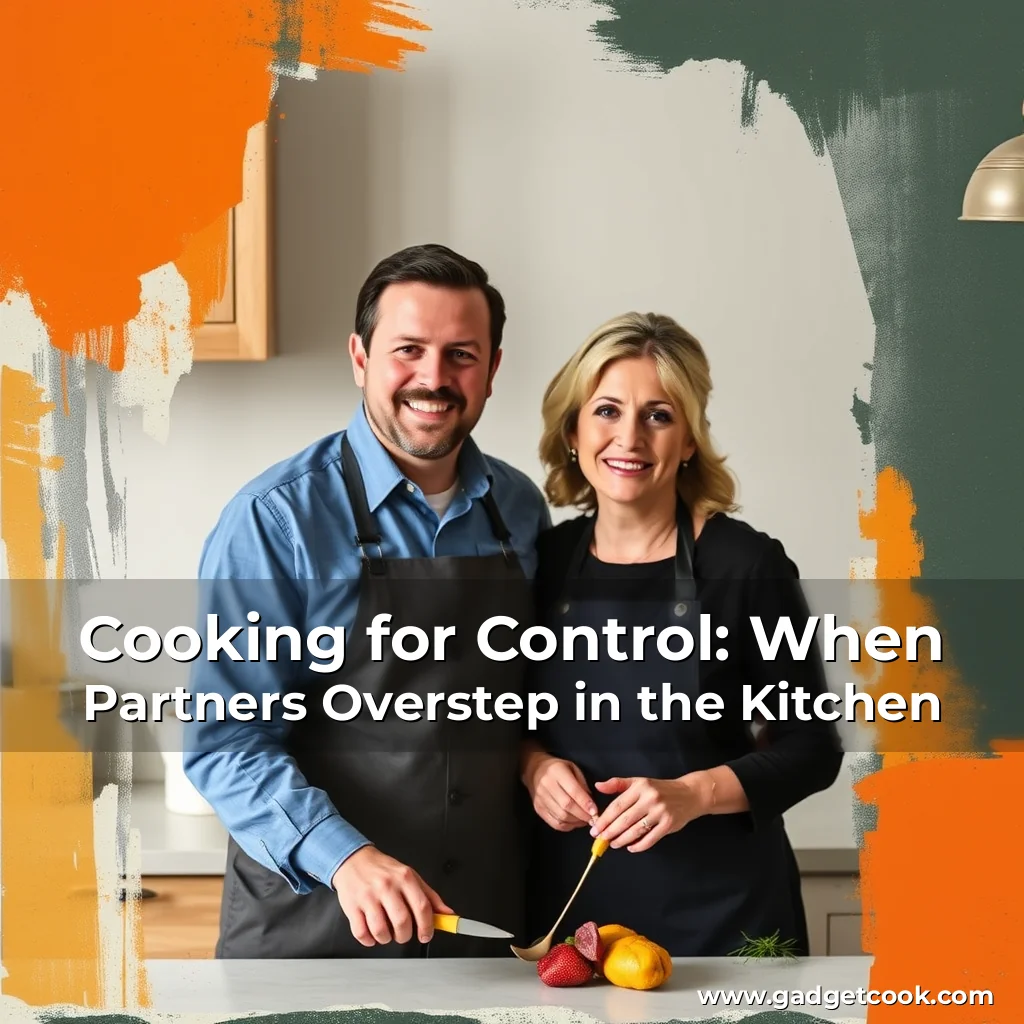
The author was on vacation with her boyfriend’s family, and she volunteered to cook for most nights. She asked her boyfriend for a few seasonings, but he insisted on bringing back everything except the salt. He justified it by claiming that since MSG was included, salt was redundant. The dish turned out bland, and his family noticed the lack of flavor. Despite loving her food and benefiting from her cooking 90% of the time, he continued to override her seasoning choices. What sparked the blow-up was what it symbolized: her feeling like his behavior was controlling and undermining her authority in the kitchen.
Expert Insights
We spoke with chef and food blogger Abisola Da-Silva to better understand the nuances behind the couple’s kitchen clash. Da-Silva pointed out that MSG can be a helpful ingredient in cooking, especially when trying to cut back on sodium, but it’s not a replacement for salt. “MSG can be a helpful ingredient in cooking, especially when you’re trying to cut back on sodium, but it’s not a replacement for salt,” she emphasized. “You’re not really solving the problem if you skip salt and pour on more soy sauce.”
Da-Silva noted that food preparation in relationships touches on far more than just seasoning. “What might seem like a small disagreement over salt is often tied to deeper values, I believe. For a person who loves cooking, food can become emotional. It can be about health, culture, or comfort.”
She also emphasized the importance of open communication in relationships. “It’s all about mutual respect and compromise. You need to take turns with meal decisions, and seasoning portions separately when possible.”
Da-Silva made it clear that one partner should never be the sole voice in how meals are prepared, stating, “Dictating how food should be made, unless there’s a real medical reason, usually isn’t appropriate.” She emphasized that shared meals should reflect shared decisions.
“A relationship and a recipe both thrive with give and take. If you’re just calling the shots, then it can’t be called a partnership.” – Abisola Da-Silva
The Community Weighs In
Netizens were quick to support the OP, deeming her boyfriend’s actions controlling and inconsiderate. They felt that his refusal to follow a simple request undermined her autonomy in the kitchen. “His behavior came across as ungrateful, especially given that she was cooking for his family,” wrote one user. “It’s not just about the seasoning; it’s about respect for her cooking and her boundaries.”
Another user noted, “It’s not about who’s right or wrong; it’s about recognizing that she’s the one who put in the effort to cook for them. Her boyfriend should be grateful for her effort, not controlling her in the kitchen.”
What do you think about this situation? Do you think it’s reasonable for someone to override their partner’s choices when cooking, or is it a red flag for controlling behavior?