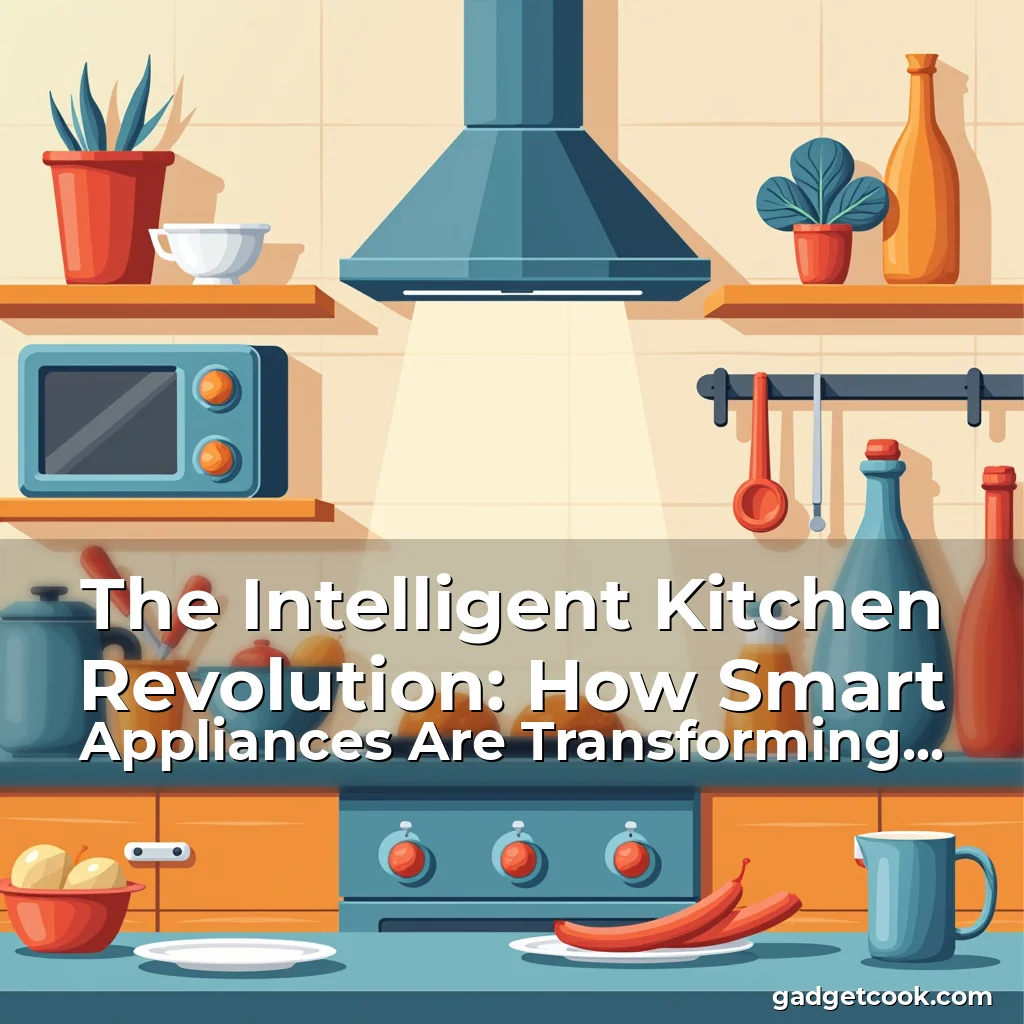
The Intelligent Kitchen Revolution: How Smart Appliances Are Transforming Home Cooking
In an era where technology permeates every aspect of our lives, home kitchens are undergoing a profound transformation through the integration of smart appliances. These intelligent devices are redefining traditional cooking experiences by merging convenience, efficiency, and connectivity.
From refrigerators that can order groceries autonomously to ovens that adjust temperatures based on recipe requirements, smart kitchen technology is revolutionizing how we prepare meals. This shift represents not only a technological advancement but also a fundamental change in modern culinary practices.
Understanding the Evolution of Smart Appliance Technology
The journey towards intelligent kitchenware began with simple automation features found in early microwave ovens and dishwashers. Today’s smart appliances represent decades of innovation driven by advancements in IoT (Internet of Things) technology and artificial intelligence.
Modern smart fridges now incorporate built-in cameras, voice recognition systems, and inventory tracking capabilities. These enhancements allow users to manage their food supplies remotely while receiving real-time updates about expiration dates and nutritional information.
- Smart refrigeration: Advanced sensors monitor temperature fluctuations and alert homeowners when adjustments are necessary
- Connected cooktops: Precise heat control mechanisms prevent overcooking and ensure consistent results across different dishes
- AI-powered dishwashers: Learn user preferences and optimize cleaning cycles based on load size and soil levels
The Impact of Connectivity on Culinary Practices
Wireless communication between kitchen devices has created seamless workflows that enhance both professional and amateur cooking experiences. The ability to control appliances from smartphones enables greater flexibility during meal preparation.
Imagine starting your day by setting the coffee maker via mobile app before leaving for work. By the time you return home, freshly brewed coffee awaits alongside a preheated oven ready for baking. Such scenarios illustrate the power of interconnected smart kitchen ecosystems.
Rising Adoption Rates Among Homeowners
A recent survey conducted by the National Association of Home Builders revealed that 68% of new homes constructed in 2023 included at least one smart appliance. This statistic underscores the growing demand for connected kitchen solutions among contemporary consumers.
Moreover, industry analysts predict that global sales of smart kitchen appliances will reach $25 billion annually by 2027. This projected growth reflects increasing consumer confidence in these innovative technologies.
Safety Enhancements Through Intelligent Design
One of the most significant benefits of smart appliances lies in their enhanced safety features. Modern ovens equipped with automatic shut-off functions provide peace of mind against potential fire hazards caused by unattended cooking sessions.
Gas range detectors integrated with smart thermostats offer real-time monitoring of gas leaks, sending immediate alerts to users’ phones. This proactive approach significantly reduces risks associated with traditional stovetops.
Energy Efficiency Improvements in Connected Devices
Smart appliances contribute to sustainable living by optimizing energy consumption patterns. Refrigerators with adaptive defrost cycles reduce unnecessary power usage without compromising cooling performance.
Intelligent washing machines analyze fabric types and dirt levels to determine optimal water and electricity usage. These innovations help households lower utility bills while maintaining high standards of cleanliness.
Cooking Precision Made Possible by AI Integration
Artificial intelligence plays a crucial role in enhancing cooking accuracy through predictive analytics and machine learning algorithms. Smart ovens use thermal imaging to detect hotspots and adjust heating elements accordingly.
Digital sous-vide immersion circulators maintain precise water temperatures within ±0.5°C, ensuring perfectly cooked proteins each time. This level of precision was previously attainable only in commercial kitchens.
Integration with Voice Assistants and Mobile Apps
Voice-controlled interfaces have simplified interactions with smart kitchen gadgets, making them accessible to people with mobility limitations or those multitasking during meal prep. Compatible devices include Amazon Alexa-enabled ranges and Google Nest-integrated microwaves.
Mobile applications extend functionality beyond basic controls, allowing users to receive notifications about completed tasks, schedule future operations, and even access recipe databases directly from their appliances.
Customization Options That Cater to Individual Preferences
Personalized settings enable smart appliances to adapt to individual tastes and dietary needs. Coffee makers can be programmed to brew specific strength levels, while blenders automatically select appropriate blending times based on ingredient consistency.
Some advanced models feature biometric authentication systems that recognize different family members, tailoring settings according to each person’s preferred configurations. This customization enhances overall user experience and satisfaction.
The Role of Data Analytics in Predictive Maintenance
Data collection capabilities inherent in smart appliances facilitate predictive maintenance strategies that minimize unexpected breakdowns. Refrigerators track compressor activity and send service reminders when routine maintenance becomes necessary.
Washing machines log cycle data to identify potential wear issues before they escalate into full-blown failures. This proactive approach saves repair costs and extends appliance lifespan considerably.
Privacy Concerns Surrounding Connected Kitchen Devices
As with any internet-connected device, smart appliances raise valid concerns regarding data privacy and cybersecurity vulnerabilities. Manufacturers must implement robust encryption protocols to protect sensitive household information stored within these devices.
Consumers should carefully review privacy policies before purchasing connected appliances, paying particular attention to what data is collected, how long it’s retained, and who has access to it. Transparent disclosure remains essential for building trust with end-users.
Cost-Benefit Analysis of Upgrading to Smart Appliances
While initial investment costs may seem steep compared to conventional counterparts, long-term savings often outweigh upfront expenditures. Energy-efficient models typically result in reduced monthly utility bills due to optimized resource utilization.
Maintenance expenses decrease significantly as predictive diagnostics help avoid costly repairs. Additionally, some insurance companies offer discounts for homes equipped with certain smart security features integrated into kitchen appliances.
Future Innovations Shaping the Next Generation of Smart Kitchens
Ongoing research focuses on developing self-cleaning surfaces using nanotechnology coatings applied to countertops and stainless steel components. These advances aim to eliminate bacterial buildup while reducing reliance on harsh chemical cleaners.
Emerging trends suggest increased adoption of robotic arms capable of performing repetitive tasks such as chopping vegetables or assembling salad ingredients. These automated assistants could redefine domestic labor distribution patterns entirely.
Environmental Benefits of Adopting Smart Kitchen Technologies
By minimizing waste through precise portion control and efficient resource allocation, smart appliances support eco-friendly lifestyles. Digital scales integrated into smart countertops calculate exact measurements required for recipes, preventing excess material disposal.
Appliances that communicate with solar panel systems optimize energy usage based on renewable source availability. This synergy promotes sustainability goals while maximizing cost-effectiveness for environmentally conscious consumers.
Preparing Your Kitchen Space for Smart Appliance Installation
Better planning ensures smooth transition to smart kitchen infrastructure. Evaluate existing electrical capacity since many smart devices require dedicated circuits for uninterrupted operation.
Consider network coverage throughout your kitchen area to guarantee reliable connectivity for all wireless-enabled appliances. Strong Wi-Fi signals prevent laggy responses that might hinder usability during critical moments.
Finding Reliable Brands Offering Quality Smart Appliances
Research reputable manufacturers known for producing durable, well-designed products backed by solid customer service commitments. Established brands like Samsung, LG, and Bosch consistently deliver top-tier smart appliance solutions.
Read online reviews from verified purchasers to gauge product reliability and user satisfaction levels. Pay close attention to feedback regarding software update frequency and customer support responsiveness rates.
Tips for Maximizing Value from Your Smart Kitchen Investment
Regularly update firmware versions to ensure continued compatibility with evolving digital platforms and security patches. Most manufacturers release periodic improvements that enhance functionality and address potential vulnerabilities.
Create custom routines using smart home hubs to automate complex sequences involving multiple appliances working together harmoniously. Experiment with different combinations to discover optimal workflow efficiencies tailored specifically for your lifestyle.
Overcoming Common Challenges When Transitioning to Smart Appliances
Technical difficulties occasionally arise during implementation phases; however, troubleshooting guides provided by manufacturers usually resolve most issues quickly. Familiarize yourself with warranty terms covering parts replacement or complete unit replacements under specified conditions.
If problems persist despite following official instructions, contact authorized service centers promptly rather than attempting DIY fixes which could void manufacturer warranties or cause further damage.
Building a Cohesive Smart Kitchen Ecosystem
Choosing compatible devices ensures seamless interaction among various appliances within your kitchen environment. Look for products supporting common communication protocols like Zigbee, Z-Wave, or Matter standard formats.
Centralized smart home controllers simplify management tasks by consolidating control panels into single interface points. These hubs allow centralized configuration of lighting schemes, climate controls, and security systems along with your kitchen gadgets.
Exploring Affordable Alternatives Without Compromising Quality
Entry-level options exist for budget-conscious buyers seeking introductory smart appliance experiences. Basic models offering core functionalities such as remote control access and basic connectivity features remain available at competitive price points.
Many retailers provide financing plans that make premium smart appliance purchases more manageable financially. Compare interest rates across different providers before committing to installment payment arrangements.
Staying Informed About Technological Advancements in the Industry
Subscribe to industry newsletters and follow relevant social media channels maintained by leading tech influencers specializing in smart home technologies. These resources provide timely updates on emerging trends shaping future developments.
Attend virtual conferences focused on kitchen innovation topics whenever possible. These events often showcase prototype designs that may eventually become commercially available products within several years.
Conclusion
The evolution of smart appliances marks a pivotal moment in residential design history, fundamentally changing how individuals interact with their kitchens daily. As technology continues advancing rapidly, so too does its application within domestic spaces.
Embracing these intelligent solutions offers numerous advantages ranging from improved safety measures to enhanced energy conservation efforts. Thoughtful consideration of personal needs combined with careful evaluation of available options leads toward creating truly personalized smart environments tailored specifically for each homeowner’s unique lifestyle requirements.