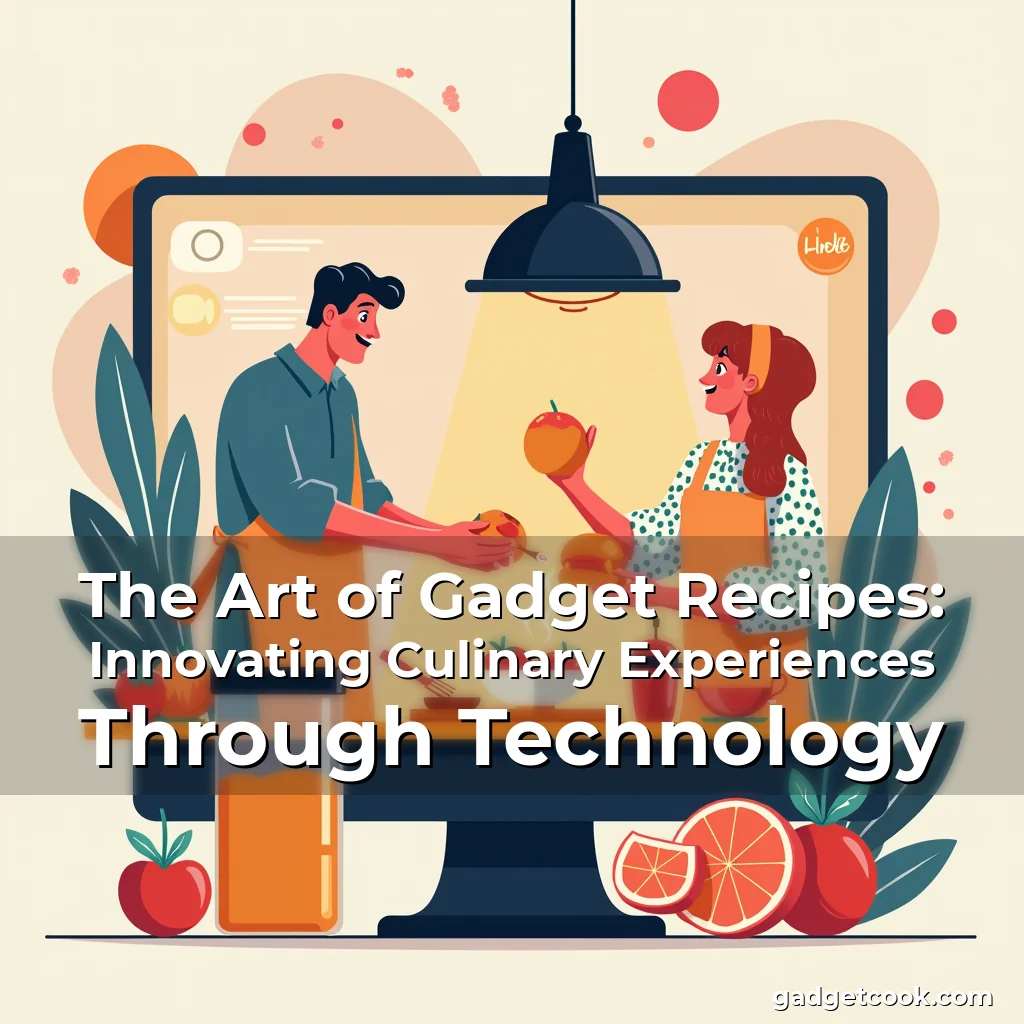
The Art of Gadget Recipes: Innovating Culinary Experiences Through Technology
In an era where technology permeates every aspect of our lives, even the kitchen has become a hub of innovation. The concept of “gadget recipes” is redefining how we cook, blending traditional culinary techniques with cutting-edge gadgets that enhance efficiency, precision, and creativity.
Gadget recipes are not merely about using high-tech tools; they represent a new frontier in gastronomy where devices such as smart ovens, sous-vide machines, and AI-powered cooking assistants transform the way we approach meal preparation.
Understanding the Evolution of Kitchen Gadgets
Kitchen gadgets have evolved from simple utensils to sophisticated appliances that can automate complex processes. This evolution reflects humanity’s enduring quest for convenience and perfection in food preparation.
Early innovations like the electric kettle revolutionized boiling water, while modern advancements now include self-cleaning ovens and voice-controlled recipe assistants that adjust cooking parameters in real-time.
- Smart Ovens: These devices learn user preferences through machine learning algorithms, adjusting temperatures and cooking times automatically based on previous usage patterns.
- Sous-Vide Machines: By precisely controlling water temperature, these gadgets ensure consistent results when cooking meats, vegetables, and other ingredients at low temperatures over extended periods.
As these technologies continue to advance, their integration into everyday cooking routines becomes increasingly seamless, offering both professional chefs and home cooks unprecedented control over their meals.
Moreover, connectivity features enable remote monitoring and adjustments via smartphone apps, making it possible to manage multiple dishes simultaneously without constant supervision.
The Science Behind Smart Cooking Devices
Modern cooking gadgets rely on principles of thermodynamics, material science, and data analytics to deliver precise outcomes. Understanding these scientific foundations helps users maximize their potential benefits.
For instance, induction cooktops utilize electromagnetic fields to heat cookware directly rather than heating the surrounding air, resulting in faster energy transfer and reduced risk of burns.
This targeted heating method also allows for greater temperature control compared to conventional gas stoves, enabling delicate tasks like melting chocolate or simmering sauces without scorching them.
Similarly, pressure cookers operate under the principle of increased atmospheric pressure raising the boiling point of liquids, significantly reducing cooking time while preserving nutrients and flavors.
By grasping these underlying mechanisms, cooks can better troubleshoot issues and optimize their use of various gadgets for different types of cuisine and dietary needs.
Crafting Unique Flavors with Precision Tools
Precision cooking tools allow for fine-tuned adjustments that impact flavor development in ways traditional methods cannot achieve. These instruments open up new avenues for experimentation and refinement.
Immersion blenders, for example, create smooth textures by emulsifying ingredients at varying speeds depending on the desired consistency—perfect for velvety soups or creamy dressings.
Beyond texture manipulation, vacuum sealers play a crucial role in preserving freshness and enhancing marinades by removing oxygen which accelerates spoilage and inhibits bacterial growth.
When combined strategically with other gadgets, these tools can elevate simple ingredients into extraordinary culinary creations worthy of Michelin-starred restaurants.
Integrating AI Into Your Culinary Workflow
Artificial intelligence is transforming the culinary landscape by providing personalized recommendations and automating repetitive tasks typically associated with meal prep.
Devices equipped with AI capabilities analyze user behavior patterns to suggest optimal ingredient pairings based on taste profiles established during initial setup sessions.
Some advanced systems even generate custom recipes tailored specifically to individual dietary restrictions or nutritional goals through continuous learning algorithms trained on vast databases of global cuisines.
Additionally, robotic arms integrated within commercial kitchens demonstrate remarkable versatility in executing intricate plating designs previously reserved only for expert chefs.
Fusion Cuisine Meets High-Tech Innovation
The intersection between fusion cuisine and technological advancement offers exciting possibilities for creating novel flavor combinations never before imagined.
High-speed centrifuges used in molecular gastronomy separate components of fruits and vegetables to extract purees, essences, and fibrous elements separately—an essential technique for crafting avant-garde presentations.
These specialized tools empower chefs to deconstruct classic dishes and rebuild them with unexpected textures and appearances while maintaining authentic core flavors.
Furthermore, 3D food printers introduce another dimension by allowing precise layering of ingredients according to digital blueprints designed to optimize visual appeal alongside taste experience.
This synergy between tradition and innovation challenges conventional notions of what constitutes a complete dish, pushing boundaries towards uncharted territories in contemporary dining experiences.
Tips For Aspiring Tech-Savvy Chefs
Embarking on your journey as a tech-savvy chef requires careful consideration regarding device compatibility, maintenance schedules, and safety protocols associated with each tool you choose.
Investing in universal connectors ensures seamless communication between disparate pieces of equipment, preventing frustrating dead ends caused by proprietary interfaces limiting interoperability.
Regular calibration checks maintain accuracy across measuring functions vital for baking applications where slight variations could ruin entire batches.
Establishing clear organizational systems helps prevent cluttered workspaces which may lead to accidents involving sharp objects or hot surfaces near electrical outlets.
Maintaining thorough records of successful experiments enables easy replication of favorite creations whenever inspiration strikes unexpectedly later down the line.
The Future Of Gadget Recipes In Global Kitchens
As emerging economies adopt Western-style consumer habits, demand continues growing exponentially for affordable yet effective kitchen automation solutions accessible worldwide.
Portable solar-powered units cater specifically to off-grid communities seeking sustainable alternatives without compromising quality standards expected today’s discerning palates.
Meanwhile, cloud-based platforms facilitate collaborative recipe sharing among international networks of enthusiasts who contribute localized adaptations suited perfectly for regional tastes and available resources.
Such developments underscore how rapidly evolving gadget recipes shape cultural exchanges through shared culinary traditions made universally adaptable thanks to technological mediation.
Looking ahead, continued miniaturization trends promise compact versions capable of performing full-range functionalities once confined exclusively within industrial settings.
Conclusion
Gadget recipes represent a thrilling convergence of age-old culinary arts with groundbreaking technological achievements reshaping our relationship with food itself.
Whether you’re an experienced culinarian looking to refine existing skills or someone entirely new exploring this fascinating realm, there’s something truly magical happening right now inside every connected kitchen around globe.